
“Tech Neck” How technology could be causing your body strife!
What The Heck Is Tech-Neck?
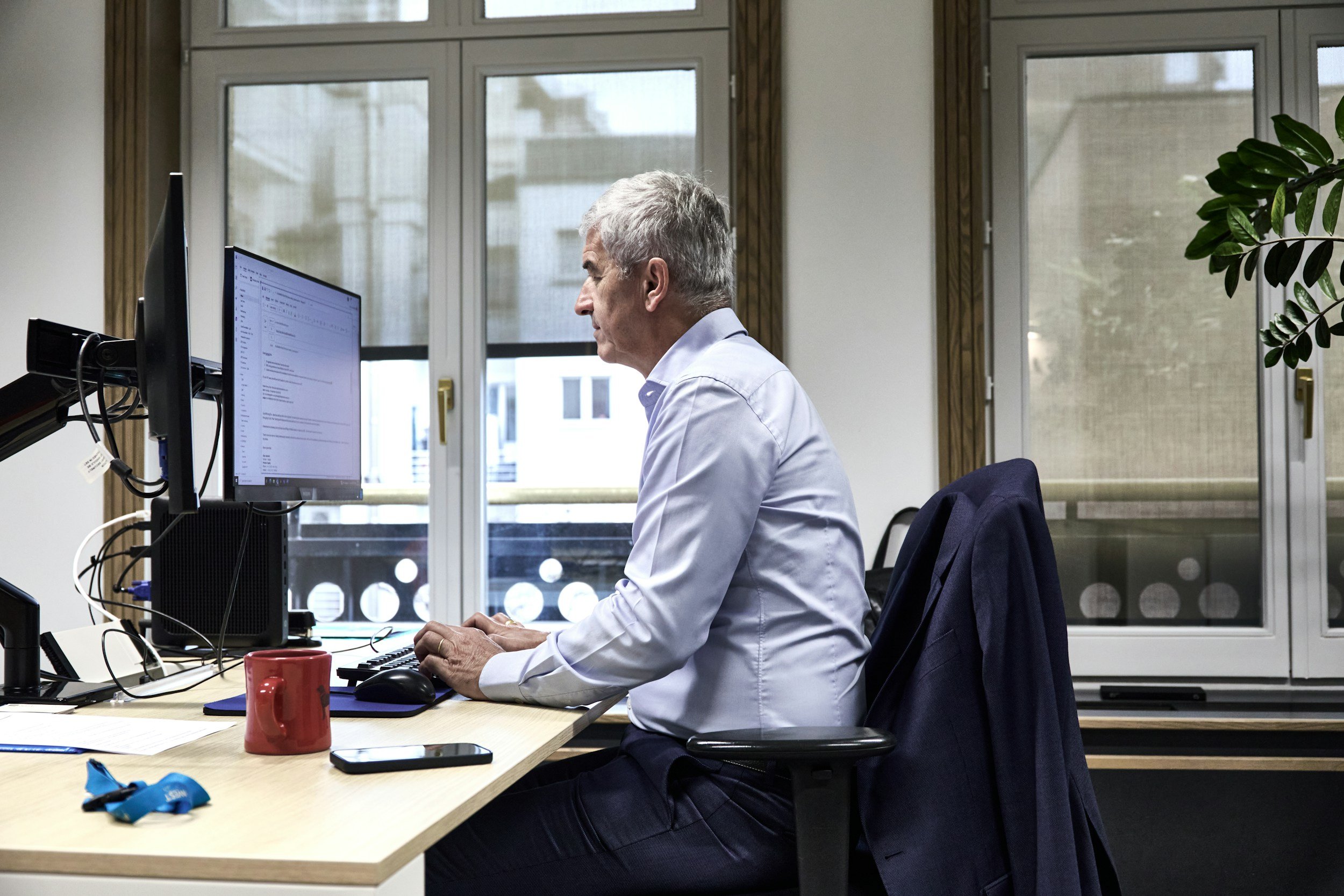
Tech neck refers to the strain placed on the neck, shoulders, and upper back when the head is held forward for extended periods of time. This posture is commonly seen when looking down at a phone, laptop, or tablet.
In a neutral position, the human head weighs approximately 4–5 kilograms. As the head moves forward, the load on the cervical spine increases significantly, placing additional stress on muscles, joints, and spinal discs. Over time, this can contribute to pain, stiffness, and reduced mobility.
What Are The Symptoms?
Tech neck can present in a variety of ways, including:
Neck pain and stiffness
Upper back and shoulder tension
Headaches
Reduced neck movement
Fatigue or tightness in postural muscles
In some cases, nerve-related symptoms such as pins and needles or referred pain into the arms
Symptoms often develop gradually and may worsen with prolonged screen time or poor posture.
Why Is It Such A Concern?
Sustained forward head posture increases mechanical load on the cervical spine. Over time, this can contribute to:
Ongoing posture related neck pain
Muscle imbalance and weakness
Reduced spinal mobility
Increased strain on spinal joints and discs
Many people don’t notice the impact of tech neck until symptoms begin interfering with work, exercise, or sleep.
Why Is Tech Neck Becoming More Common?
Modern lifestyles involve more screen time than ever before. Phones, laptops, tablets, and gaming devices are often used for hours each day, frequently without regular breaks.
Phone use in particular encourages prolonged downward head positioning, often combined with rounded shoulders and reduced upper back engagement. Over time, this posture can become habitual, increasing the risk of neck and upper back pain.

Ok.. So How Do I Prevent it?
Reducing the risk of tech neck doesn’t require perfect posture, just consistent, simple changes.
1. Improve Screen Position
Bring your phone or screen closer to eye level rather than dropping your head down. At a desk, position your monitor at or just below eye height.
2. Take Regular Breaks
Changing position every 20–30 minutes helps reduce cumulative strain on the neck and spine. Even short movement breaks can be beneficial.
3. Strengthen Postural Muscles
Building strength in the upper back, neck, and shoulders can improve posture endurance and reduce overload during prolonged sitting or device use.
4. Stay Aware of Your Posture
You don’t need to hold one “perfect” posture all day. Regularly checking in and adjusting helps avoid prolonged strain in one position.

When Should I Be Concerned / See Someone?
If neck pain, stiffness, or headaches are persistent, worsening or affecting daily activities, an assessment can help identify contributing factors. Early management in conjunction with osteopathic treatment, can reduce the risk of ongoing or recurrent symptoms.
If you are concerned about tech-neck or any other aches and pains you may be experiencing, book in below to get assessed and restore pain free movement!
